Planning a trip to Nusa Penida is like trying to solve a puzzle where the pieces are always shifting and the board’s on fire. Seriously, the island’s way bigger than it seems on your phone—and a lot rougher than the picture-perfect Instagram reels suggest. Most travelers show up thinking they’ll just hop off the boat, snap a quick pic of a dinosaur-shaped cliff, and still make it back to Bali by sunset for a spa treatment. While it’s technically possible, that’s the fastest way to experience what I like to call a “beautiful nightmare.”
You’ll spend half your day crammed into the back of a Toyota Avanza, watching the dust-covered bumper of a construction truck and wondering if you’ll ever actually dip your toes in that turquoise water you saw in all the brochures. But hey, if you’ve only got one day, you can still make it work—you just need to be smart about it, tactical even. Or, if you’re like me and despise being rushed, you stay for three days and actually soak it in. Here’s the raw, unfiltered truth about how to plan your time on this rugged limestone island without losing your mind. It’s a place that rewards the patient and punishes the unprepared with brutal efficiency.
Chapter 1: Deciding Your “Base Camp” — The Strategic Foundation
The first, and most important, decision in your Nusa Penida travel itinerary is where to stay—or if you’ll even stay on the island at all. This one choice will determine your entire rhythm and how much exposure you’ll get to the massive crowds that descend upon Penida every day.
The Day Tripper’s Gambit (Bali to Penida)
If you’re doing a Nusa Penida day trip from Bali, your schedule is pretty much in the hands of the fast boat companies running out of Sanur or Padang Bai. Your window is short. You’ll land around 9:00 AM at Banjar Nyuh harbor and need to catch the last boat back to Bali by 4:30 PM. That gives you about seven hours to conquer one of the most topographically challenging islands in Indonesia. It’s a mission. A high-stakes race against time where a single flat tire or a local ceremony blocking the road could mean missing your boat and scrambling for a last-minute room.
The Overnight Advantage (The 2-3 Day Strategy)
If you’re staying overnight—something I highly recommend if you value your sanity—you’ll get the “Golden Hours.” These magical moments at sunrise (around 6:15 AM) and just before sunset (6:30 PM) when the hordes of day-trippers are either still in Bali or already heading back. During these times, the island actually feels like a paradise again. You can stand on the Kelingking ridge without fighting for space with 400 other tourists. Instead of drones buzzing and guides shouting, all you’ll hear is the wind and the waves.
I’d suggest staying near the harbor area (Toyapakeh) or on the northern coast (Ped) for your first trip. Makes the logistics a whole lot easier. You’ll find better food options, from local warungs to trendy cafes, and you won’t have to navigate Penida’s unlit, winding interior roads after dark. Trust me: driving here at night is its own extreme sport. The roads are pitch black, there are deep potholes, and the cows roaming freely have zero respect for your brake pads.
The Brutal Reality of “Island Time”
Before you dive into the maps and coordinates, you need to shift your mindset. “Island Time” on Nusa Penida isn’t about lazy afternoons sipping cocktails. It’s about the hard truth that a 15-kilometer drive can take an hour or more. The island is a patchwork of steep limestone ridges and deep valleys. The roads? They were never built for the traffic they’re dealing with now.
You’ll be sharing roads barely wide enough for one car with massive construction trucks, wandering animals, and tourists on rented scooters who have no idea how to operate them. Don’t fight the pace. Don’t get frustrated with your driver. Just accept that the island moves at the pace of a tired turtle. This is why your Nusa Penida tour needs to be focused. Trying to do both the East and West coasts in a single day will lead to a miserable experience. All you’ll see is the inside of a car window.
- The Infrastructure Gap: Roads are narrow, winding, and filled with potholes big enough to swallow a small dog. Repairs are constant but slow.
- The “Ceremony” Factor: Balinese culture thrives here. Temple ceremonies happen often and can block roads for hours. There are no detours on Penida—if the road’s blocked, you wait.
- Google Maps Optimism: Google Maps is an eternal optimist. It assumes you’ll drive at full speed, forgetting that every time a car comes from the opposite direction, you’ll be down to 5km/h. Always add 50% to the travel time it gives you.
The Sanur Harbour Chaos — The Gateway to the Madness
The journey starts at Sanur Harbour in Bali. If you haven’t been in a while, there’s now a shiny new terminal. But don’t get fooled—the chaos is still alive and well. It’s a noisy, high-energy, sometimes confusing place. Hundreds of travelers stand around, clutching their laminated boat tickets like golden tickets to Willy Wonka’s factory.
Your first hurdle is picking the right boat company. Big names like Semabu Hills, Maruti Group, and Axe Stone offer larger boats and more frequent departures. Check the logistics guide to make sure you’re picking the right company for your budget and preferred landing spot. Most boats land at Banjar Nyuh, which is the most convenient for meeting your driver or renting a scooter.
Pro Tip for the Crossing: The Badung Strait can get rough. If you’re prone to seasickness, take your medication at least 30 minutes before boarding. Sit at the back of the boat—less motion there. And no matter what, keep your electronics in a waterproof bag. The boarding process, even with the new terminal, can get wet.
Choosing Your Transport — A Life-Defining Decision
I’ve written a whole transport guide because transport is the #1 cause of accidents and ruined vacations here. You’ve got two choices: a scooter or a private driver. Let me be crystal clear: Nusa Penida is not the place to “learn” how to ride a scooter.
The Private Driver (The Recommended Path)
A private driver in a 4×4 or sturdy Toyota Avanza is worth every single cent. It’ll usually cost around 500,000 to 700,000 IDR ($35 – $45 USD) for the day, including petrol.
- The Benefits: You get air conditioning (essential in the 35°C heat), you can nap between spots, and you’ve got a local expert who knows how to navigate the chaos of the roads.
- The Photographer: Most drivers are secretly expert photographers. They know the best angles at Kelingking better than you do.
The Scooter (The Adventurer’s Risk)
Scooters are cheap, around 75,000 IDR per day. They give you freedom—but they also come with risks. The roads are covered in fine limestone dust, which is slipperier than ice. If you decide to rent a scooter, check the brakes twice and make sure the helmet actually fits.
- The Reality: I see “Penida Tattoos” (road rash) on tourists every day. If you’re not 100% confident on a bike, don’t risk it. Your safety is worth more than saving a few bucks.
The One-Day Sprint — The “Best of the West” Strategy
This is the most popular way to see the island—and for many, the only way. It’s intense. It’s loud. It’s dusty. But if you’ve only got 24 hours to spare in your Bali itinerary, this is the route that hits all the big icons. You’ll focus solely on the West Coast of Nusa Penida. Why? Because that’s where the “T-Rex” cliff is. And let’s be real here—that’s probably the reason you booked the boat in the first place. You want the photo, you want the cliffside views that make you feel like you’re on top of the world, and you want to be back in your Bali villa in time for a late dinner. It’s a mission, not a vacation. And like any mission, it requires a precise tactical plan.
The “West Coast Loop” is a series of geological wonders that have become the face of Indonesian tourism. But because it’s famous, it’s also the most crowded part of the island. To conquer it without losing your mind, you’ve got to be ahead of the crowd that shows up on the fast boats from Sanur every morning.
The Hourly Battle Plan: Timing Your Day
Success on a Nusa Penida day tour is measured in minutes. Arrive at a spot ten minutes after a wave of 20 tour vans and your “majestic nature” experience quickly becomes a “crowded theme park.” Here’s how to structure your day to stay one step ahead of the chaos.
07:30 AM – The Sanur Launchpad
Get on the earliest boat you can find. Most reputable fast boat companies start their engines between 7:30 and 8:00 AM. On this day, do not hit the snooze button. The earlier you land at Banjar Nyuh harbor, the better your chances of seeing the cliffs before they become a jostling mess of tour groups. Check the weather—if the swells are high, boats might be delayed, but the early bird usually gets the smoothest crossing of the Badung Strait.
09:30 AM – Kelingking Beach: The Main Event
Once you meet your driver at the pier, give him one simple instruction: “Head straight to Kelingking.” Don’t stop for a coffee, don’t stop to snap pics of random palm trees along the road. Just go. By 10:30 AM, the heat will start to turn up and the crowds will start flooding in as the second and third waves of boats arrive.
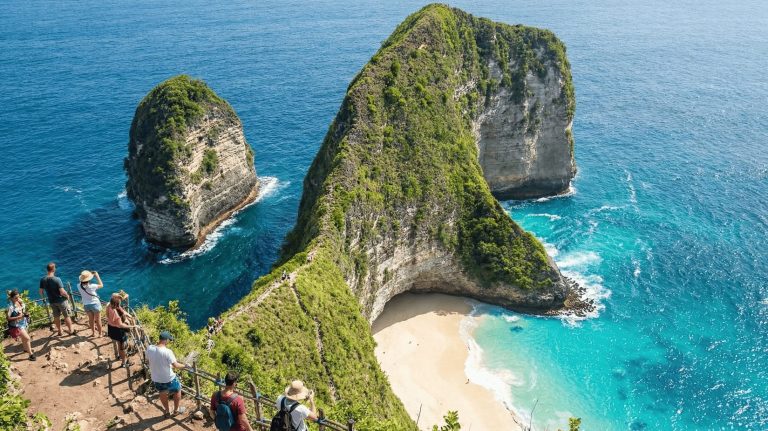
Kelingking is famous for its T-Rex-shaped cliff, but let’s not forget about the brutal “staircase.” If you’re not planning to hike down to the beach—an hour-long vertical scramble—just walk along the ridge to the right. The view from the top is the iconic one you came for. Spend forty minutes there, get your photos, and get out before the first big tour buses (those 12-seater vans) clog the narrow entrance. If you do decide to hike down, be warned: the waves at Kelingking Beach are notoriously dangerous. People have been swept out to sea here—look, it’s stunning, but this is more of a “look but don’t swim” situation.
11:30 AM – Broken Beach (Pasih Uug) & Angel’s Billabong
These two landmarks are right next to each other, sharing the same parking lot—talk about efficiency for a day tour. Broken Beach is a massive natural archway carved into the limestone. It’s wild to see how the Indian Ocean surges through the arch into a turquoise bay below. You can walk the entire rim in about 15 minutes, and each viewpoint offers a different perspective for photos.
Just a short 3-minute walk away is Angel’s Billabong, a natural infinity pool with crystal-clear water trapped in volcanic rock. Timing is key here. If it’s high tide, the pool is swallowed by crashing waves, and you won’t see anything. If it’s low tide, the water is a calm emerald mirror. Warning: It’s hot here. There’s barely any shade on this stretch of coast, so if you’re not wearing a hat or slathered in reef-safe sunscreen, you’ll turn lobster-red by noon. The limestone here acts like a giant reflector, bouncing UV rays at you from all angles.
01:30 PM – Tactical Lunch at a Local Warung
By now, you’ve seen some of the island’s highlights, and you need a refuel. There are tons of small, family-run spots (warungs) between the main sites. Now’s the time to grab a classic Nasi Goreng (fried rice) or Mie Goreng (fried noodles). It’s fast, it’s cheap (usually around 40,000 to 60,000 IDR), and it’ll give you the carb boost you need to survive the afternoon heat. Don’t expect a fine dining experience on a day tour. Food here is fuel. Sit near a fan, drink a cold coconut (Kelapa Muda) to replenish your electrolytes, and get ready for the final push.
03:00 PM – Crystal Bay: The Wind-Down
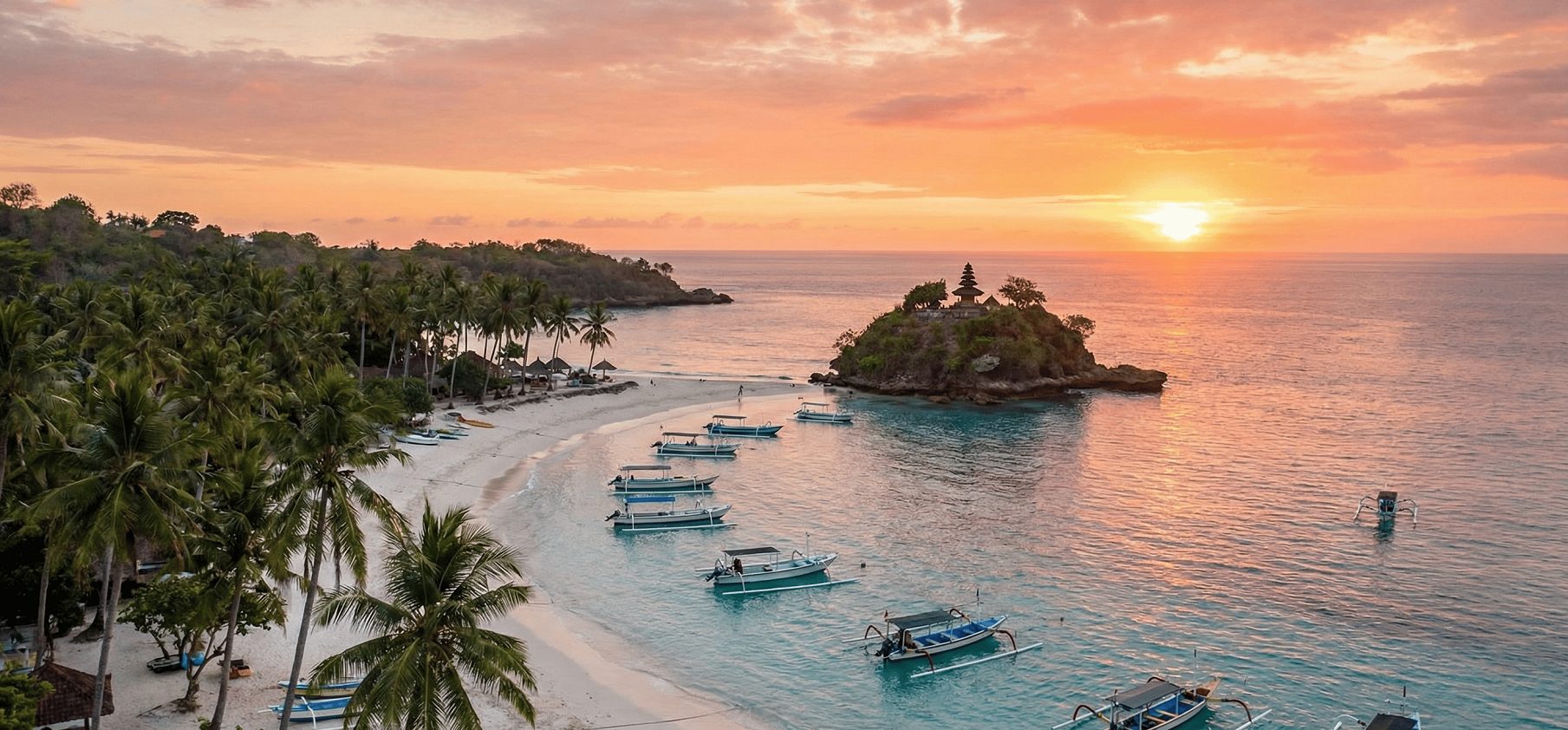
After the adrenaline of the cliffs and the dust of the roads, Crystal Bay is your refuge. It’s the kind of beach you see on postcards—leaning palm trees, clear water, calm vibes. This is the only spot on the West Coast where you can actually swim without worrying about dangerous currents or massive waves.
Grab a cold Bintang from a beach shack, plop down on the sand, and let your heart rate slow. If you’ve got a mask and snorkel, head to the right side of the bay. The coral reef there is surprisingly healthy and full of colorful fish. It’s the perfect way to unwind before you make the final dash back to the harbor.
04:30 PM – The Dash to the Pier
Give yourself plenty of time for the return trip. The roads near Banjar Nyuh harbor get congested in the afternoon as every tour van on the island races to catch the same 5:00 PM boat back to Sanur. If you miss your boat, you’re staying the night—and while that could be a blessing in disguise, it’s also a huge headache if your bags are still in Bali. Always aim to be at the pier 30 minutes before your boat departs.
Chapter 6: The Secret to Beating the Kelingking Crowds
Since Kelingking is basically the “Holy Grail” of Nusa Penida tourism, let’s talk about how to actually enjoy it. The main viewpoint is where 99% of tourists stop. They wait in line for 20 minutes to stand on a specific rock for a photo. Don’t do this.
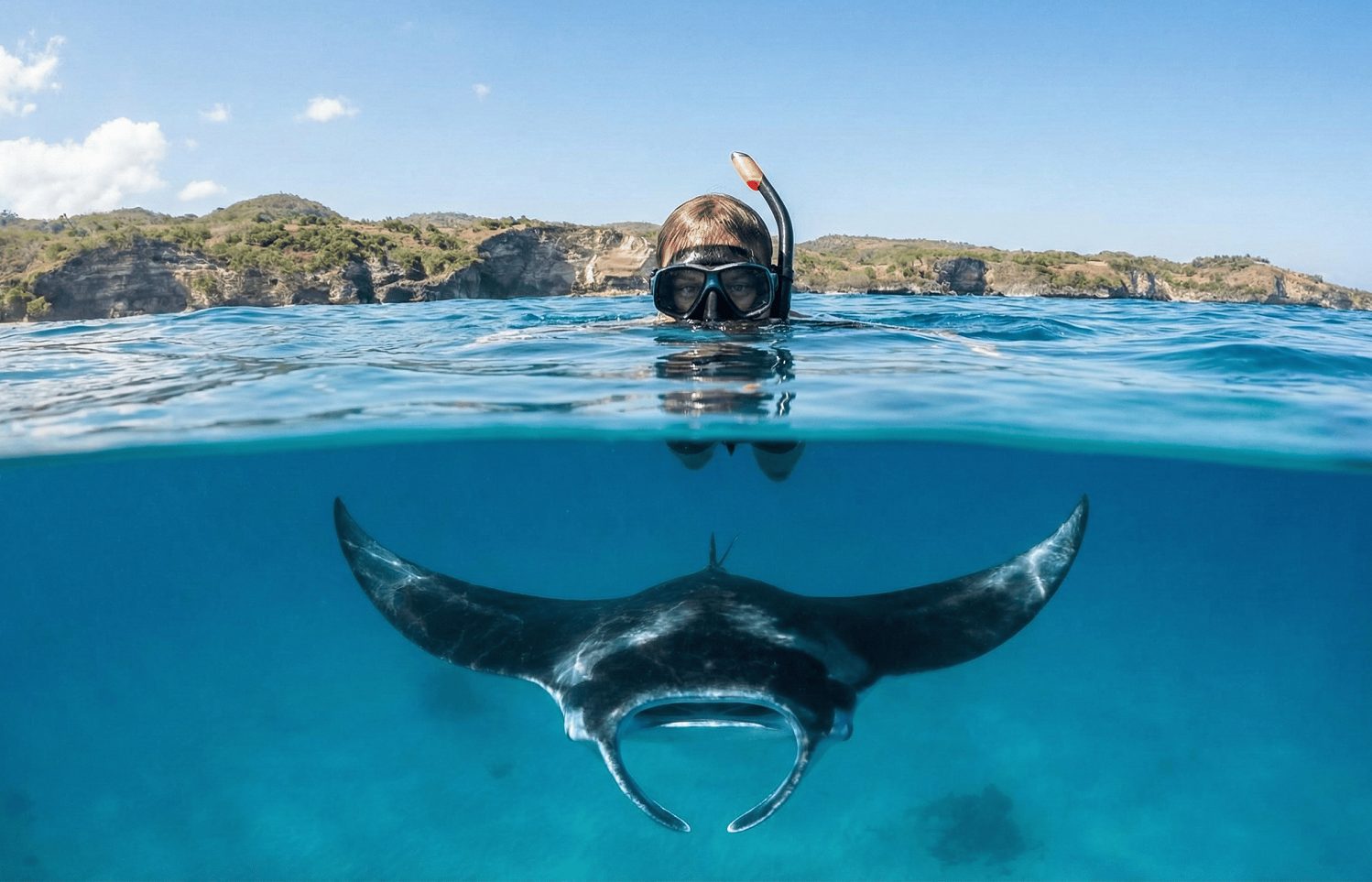
Stand facing the ocean, then walk to the right along the cliff edge. There’s a secondary path that leads further along the “spine” of the ridge. As you walk, the crowds thin out. Within 5 minutes, you’ll find viewpoints that are just as stunning (if not more), and you’ll actually hear the ocean instead of the clicks of a hundred cameras. This is also the best spot to see the giant Manta Rays below—look for dark, kite-shaped shadows gliding in the turquoise waters at the base of the cliffs. It’s a humbling sight that reminds you of how wild and untamed this island really is.
The Two-Day Loop — East Meets West
If you’ve got forty-eight hours to spare, you’ve hit the Nusa Penida jackpot. This is the sweet spot for exploring the island. A two-day Nusa Penida itinerary lets you split the island into two separate adventures, cutting down on car time and giving you more moments to spend in the water or lounging on the sand. You escape the chaos of the day-trippers and actually start to feel the island’s natural rhythm.
For this plan, staying overnight is a must. I’ve seen people try to head back to Bali, then return the next morning—don’t do that. You’ll end up spending four hours on boats and burning a fortune on tickets. Instead, find a guesthouse in Toyapakeh or a boutique bungalow in Ped. You’ll get a proper base, a place to charge your cameras, and the chance to eat at some of the island’s best spots like Penida Colada or Amok Sunset.
Day 1: The West Coast & The Benefit of Time
On your first day, take the West Coast route from the “One-Day Sprint,” but with a crucial difference: don’t rush. Since you’re not hurrying to catch the 4:30 PM boat, you can take your time and be the last one at the viewpoints. Around 3:30 PM, a strange quiet falls over the island as the day-tour vans race back to the pier. This is your golden hour.
- Hike the T-Rex: With an overnight stay, you’ll actually have the energy and time to hike down to Kelingking Beach’s sand. It’s a brutal, vertical climb, but standing on that pristine white sand with towering cliffs above you feels almost spiritual. Just bring twice as much water as you think you’ll need for the climb back up.
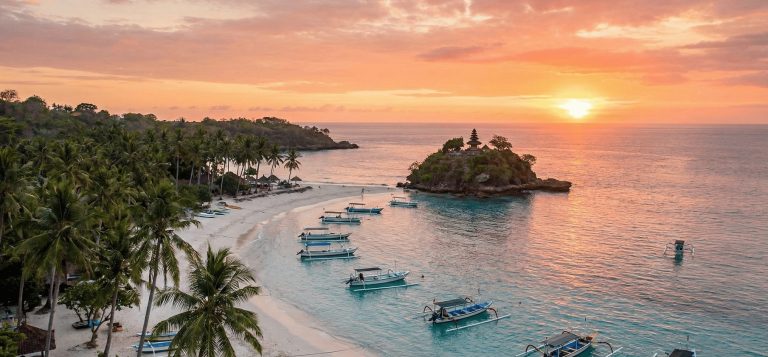
- Sunset at Crystal Bay: Most tourists hit Crystal Bay at 2 PM when the sun’s at its peak. You’ll see it at 6 PM, when the sun dips behind the iconic rock island in the bay. The sky explodes in purples and oranges, and the best part? You’ll actually hear the waves crashing instead of drones buzzing overhead.
Day 2: Manta Rays & The Dramatic East Coast
Day two is all about water and the untamed East Coast. While the West has its famous cliffs, the East arguably offers a more dramatic beauty—but it demands more effort. The cliffs are steeper, the stairs longer, and the sun feels just a little bit closer.
07:30 AM: Meeting the Giants (Snorkeling with Mantas)
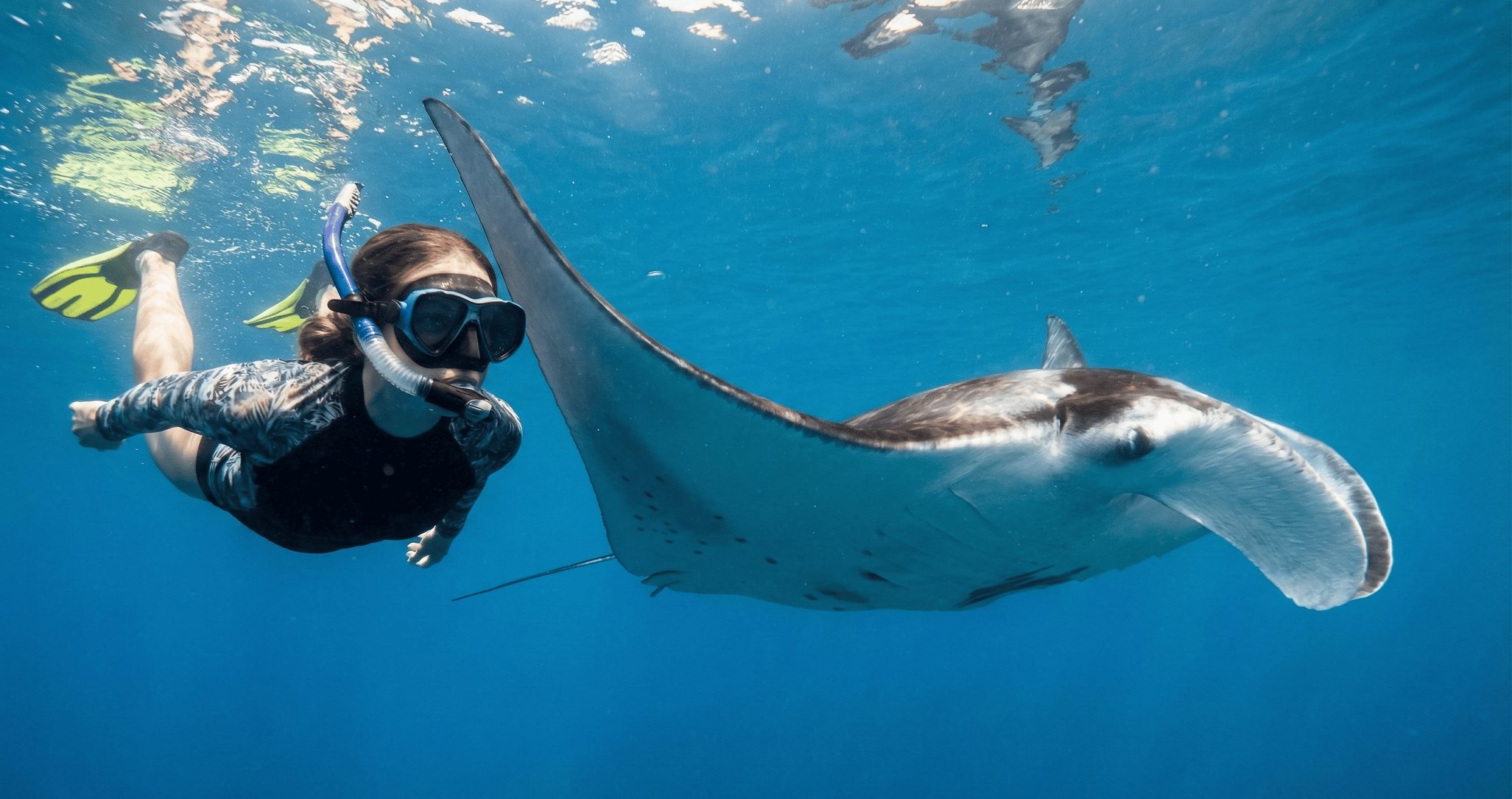
Before hitting the cliffs, dive into the water. Seeing the Manta Rays is an absolute must. These gentle giants—some with wingspans up to 4 or 5 meters—frequent the cleaning stations at Manta Point and Manta Bay. Jump on a snorkeling boat from Toyapakeh. Even if you’re not a strong swimmer, seeing a manta glide beneath you will stay with you forever. Check out our snorkeling guide for tips on interacting with these majestic creatures ethically.
Table: Comparing the Major Snorkeling Spots
| Spot Name | What to See | Difficulty Level | Best For |
|---|---|---|---|
| Manta Point | Giant Manta Rays (Year-round) | Moderate (Can be choppy) | The “Bucket List” experience |
| Crystal Bay | Healthy Coral & Colorful Fish | Easy / Relaxed | Beginners & Macro life |
| Gamat Bay | Vibrant Reefs & Sea Turtles | Moderate (Currents) | Experienced snorkelers |
| Wall Bay | Drift snorkeling over drop-offs | Easy (Drift with boat) | Seeing massive coral walls |
11:00 AM: The Long Drive East
After your snorkeling session, dry off and head East. It’s a long drive—60 to 90 minutes from the main harbor. The roads on the East side have improved, but they still wind through dense jungle and small villages. This is the “Real Penida.” Expect to see local life—kids playing, farmers tending to seaweed or corn fields.
12:30 PM: Thousand Islands Viewpoint & The Treehouse
The Thousand Islands Viewpoint (Pulau Seribu) offers panoramic views of jagged rock formations poking out of the ocean, reminiscent of Raja Ampat in West Papua. Near here, you’ll find the “Rumah Pohon” Treehouse.
The Content Farm Reality: Be prepared to wait. There’s often a queue of 50 people ready to pay 75,000 IDR for a 2-minute photo op on the treehouse ladder. If you’re not desperate for the perfect shot, skip the line. The public path offers the same view—and it’s free. Spend that time soaking in the scenery, not checking your watch.
02:00 PM: Diamond Beach — The Stairway to Heaven
This is it. The island’s most beautiful beach, no contest. Until 2018, Diamond Beach was only a viewpoint, but locals carved a staircase into the limestone to give access to the sand. The stairs themselves are an artwork—bright white against the deep blue sea. The hike down is easier than Kelingking, but the climb back up at 2:00 PM heat is a real challenge. Down below, you’ll find blindingly white sand and diamond-shaped rocks in the water. Note: The current here is strong. Only swim if you’re an experienced swimmer, and even then, don’t venture too far. It’s not a pool—it’s the raw Indian Ocean.
03:30 PM: Atuh Beach — Lunch with a View
Just over the ridge from Diamond Beach is Atuh Beach. While Diamond is for the photos, Atuh is for relaxing. There are beachside warungs where you can grab a fresh fish lunch or a Nasi Goreng at a reasonable price. The water’s calmer here, making it safer for a swim. Relax on a beanbag, sip a cold drink, and reflect on the fact that you’ve just seen two of the most dramatic coastlines in Bali’s island chain.
Table: West Coast vs. East Coast — Which Is for You?
| Feature | West Coast (The Icons) | East Coast (The Wild) |
|---|---|---|
| Best Known For | Kelingking (T-Rex), Broken Beach | Diamond Beach, Atuh Beach, Treehouse |
| Drive Time (from Harbour) | 45 – 60 Minutes | 75 – 90 Minutes |
| Crowd Levels | Extremely High (The “Bucket List” crowd) | Moderate to High |
| Physicality | One massive hike (Kelingking) | Lots of stairs at every single stop |
| Food Options | Many local warungs and cafes | Fewer options, mainly beach warungs |
The Three-Day Slow Burn — Hidden Gems & South Coast
This one’s for those who really want to uncover the island beyond the polished Instagram shots. A three-day Nusa Penida itinerary lets you step away from the “Instagram loop” for a while—giving you a chance to see the parts of the island most tourists miss because they’re either too rushed or too worn out to venture South. It’s less about ticking off the big-name sights and more about connecting with the island’s true soul. You’ll head to the southernmost corners, where the roads get rougher, but the rewards only grow stronger.
The South is where the raw, unrefined side of Indonesia shows up. No crowds, no selfie sticks, no long lines for photos—just you, the wind, and the thunder of the Indian Ocean smashing against limestone cliffs. This is when you stop being a tourist and start being an explorer.
Day 3: The Deep South & Sacred Springs
Today’s for the adventurers—the ones who don’t mind breaking a sweat, facing some dizzying heights, and conquering a few rickety stairs. You’ll visit spots that don’t show up in 90% of the tour brochures. It’s quiet, spiritual, and beautiful in ways that are almost impossible to capture in a blog post. This is where you meet the “Old Penida.”
1. Tembeling Forest & Natural Pools: The Hidden Jungle Sanctuary
Tembeling is probably the most magical place on the island. To get there, you leave your car at a parking lot and hop on a scooter (either driven by a local or, if you’re daring, yourself) to navigate a tiny, steep, and twisting path through thick rainforest. It’s one of the only places on Nusa Penida where you’ll find a lush, dense jungle instead of dry scrubland.
At the trail’s end, you’ll find two freshwater pools nestled against a massive cliff. The larger one’s for swimming, and the water is freezing cold and crystal clear—a perfect antidote to the island’s relentless heat. Right past the pools, a small beach opens to the ocean. It’s quiet and powerful. Small Hindu shrines sit around the rocks, often adorned with fresh flowers and incense. It feels like a secret garden, one that the world forgot to map.
2. Peguyangan Waterfall: The Blue Stairway to Heaven
Let me manage your expectations right off the bat: Peguyangan isn’t your typical “waterfall.” There’s no massive drop of water like in Munduk or Ubud. Instead, you’ve got a sacred spring at the bottom of a 150-meter vertical cliff. What makes it famous (and terrifying) is the journey to get there. You walk down a series of bright blue metal stairs bolted straight into the cliffside.
The experience is thrilling. Each step puts you somewhere between the sky and the crashing waves below. At the bottom, you’ll find a small temple where locals come for purification rituals. There are a few natural rock pools where spring water trickles out before meeting the ocean. Note: This is a sacred site, so you’ll need to wear a sarong. You can rent one for 10,000 IDR at the top. It’s both a physical and spiritual challenge that rewards you with the most surreal “pool with a view” you’ll ever see.
3. Banah Cliff Viewpoint: The Donut in the Ocean
Banah Cliff is my personal favorite sunset spot on the island. There’s no beach here, just a breathtaking viewpoint that looks out over the ocean. The showstopper is a natural rock arch in the middle of the sea that looks exactly like a giant floating donut. Unlike Kelingking, this place has no crowds. No cafes. No drones. Just you and the wind.
It’s the perfect spot to lie back on the grass, watch the sun dip below the horizon, and realize how lucky you are to be standing here. The cliffs at Banah are some of the highest on the island, plunging hundreds of meters straight into the churning blue ocean.
Table: South Coast Adventure Guide
| Location | Type of Attraction | Access Difficulty | Key Highlight |
|---|---|---|---|
| Tembeling Forest | Forest, Pools, Beach | Hard (Steep scooter path) | Freshwater pools in the jungle |
| Peguyangan | Temple, Springs, Stairs | Very Hard (Cliff stairs) | The iconic “Blue Stairs” |
| Banah Cliff | Scenic Viewpoint | Easy to Moderate | Rock Arch (The Donut) |
| Saren Cliff | Sunset Point | Moderate | Unobstructed ocean views |
The Logistics of a 3-Day Stay
When you’re staying for three days, you’ve got to think about where to set up your base. I suggest splitting your stay between different parts of the island or picking one central location. Most of the better accommodations are on the North Coast, which means you’ll be driving quite a bit to get to the South, East, and West.
Table: Accommodation Hubs on Nusa Penida
| Area | Vibe | Pros | Cons |
|---|---|---|---|
| Toyapakeh | Busy / Harbour Town | Easy boat access, lots of warungs | Noisy, dusty, lacks “resort” feel |
| Ped / Nomads | Beachfront / Trendy | Great cafes, beach clubs, sunsets | A bit far from the main attractions |
| Crystal Bay Area | Secluded / Jungle | Walk to the beach, quiet nights | Limited food options at night |
| East Coast (Atuh) | Remote / Rustic | Sunrise views, very quiet | Very far from everything else |
If you’ve got three days, start with the West Coast on Day 1, hit the East Coast and snorkeling on Day 2, then dive into the Deep South on Day 3. This way, you’ll ease into the adventure, starting with the popular sights and ending with the more secluded spots. By the time you reach Tembeling on Day 3, you’ll have “Penida legs” and be more than ready to tackle the island’s rough terrain and scorching heat.
Ethical Travel & The Manta Ray Encounter
Since you’ve got extra time, you might want to go snorkeling twice. Great idea, but let’s talk ethics. Nusa Penida’s marine life is under pressure. When you swim with Manta Rays, follow these golden rules:
- Never touch the Mantas: They have a protective mucus layer on their skin; touching them can cause infections.
- Don’t chase them: Let them come to you. They’re naturally curious, and if you stay still, they might glide just inches from you.
- Use Reef-Safe Sunscreen: Regular sunscreens contain chemicals that bleach coral reefs. Stick to mineral-based (zinc) sunscreens instead.
Survival Tips — Don’t Let the Island Beat You
I’ve watched too many people let simple, avoidable mistakes ruin what should have been a dream trip. Nusa Penida is an absolute masterpiece of nature, but let’s be clear—it’s not a place you can just “wing it” and hope for the best. The island’s harsh equatorial environment doesn’t care about your perfectly planned itinerary or your Instagram feed. To really enjoy this place, you’ve got to be prepared for what it throws at you.
The island is basically one giant heat-radiating limestone rock. So, when you stand at the edge of a cliff, the temperature feels 3-5 degrees hotter than what the weather apps tell you. Add to that the physical exertion of hiking, and your body will be under some serious stress. Here’s the lowdown on staying alive, healthy, and—most importantly—happy during your Nusa Penida adventure.
- Cash is King: Bring way more cash than you think you need. There are almost no ATMs outside Toyapakeh, and even the ones there can be down or out of cash. You’ll need cash for parking, entry fees, coconut drinks, and even some toilets. Don’t count on using credit cards anywhere except in fancy hotels or some cafes in the north.
- Sun Protection Strategy: The sun here is brutal—especially with the white limestone reflecting it back at you. I’ve seen people get second-degree burns after just a few hours at Diamond Beach. Wear a wide-brimmed hat, high-SPF reef-safe sunscreen, and maybe a light linen shirt to cover your shoulders. The UV index here often hits 11+ between 11:00 AM and 3:00 PM.
- The Hydration Rule: Dehydration is the number one cause of “fainting” on the Kelingking stairs. Carry a 1.5-liter bottle with you at all times. Many eco-friendly hotels on the island have refill stations, so fill up before you head out. If you feel a headache coming on, you’re already behind—drink water right away.
- The “Bali Belly” Factor: The food on Penida is generally fresh, but your stomach might not love the local spices or the water. Stick to cooked food served hot. Be careful with ice in the remote warungs. I always carry charcoal tablets or electrolyte powder for emergencies. Trust me, you don’t want to be stuck in a car for hours with a stomach bug.
- Footwear is Safety: Flip-flops are fine for the beach clubs in Seminyak, but if you’re hiking down to Kelingking, Diamond Beach, or Peguyangan, you need real shoes. The rocks are sharp volcanic limestone, and the paths are often loose gravel. I’ve seen people literally lose their flip-flops on the Kelingking trail. Wear sneakers or sturdy hiking sandals.
Choosing Your Transport — The Ultimate Decision
I’ve written an entire transport guide on this, but let’s break it down quickly. This decision will make or break your trip. You’ve got two main options: a scooter or a private driver. Unless you’re an experienced rider and you love steep gravel roads and dodging vans, **get the car**.
Table: Transport Comparison for Nusa Penida
| Feature | Private Car & Driver | Scooter / Motorbike | Local Ojek (Scooter Taxi) |
|---|---|---|---|
| Daily Cost | 500k – 700k IDR | 75k – 100k IDR | 50k – 150k per trip |
| Comfort | High (Air-Con, Nap-friendly) | Low (Heat, Dust, Wind) | Moderate (No effort) |
| Safety | Highest | Lowest (High accident rate) | Moderate |
| Best For | Families, Couples, Groups | Solo Pro-riders only | Short harbour transfers |
If you choose a scooter, double-check the brakes and tires before leaving the harbour. You’ll be using those brakes a lot on Penida’s steep hills. And for the love of your skull—wear a helmet. The local police are cracking down on tourists without them, but more importantly, your head is your most valuable asset on that bike.
When to Visit — Timing Your Escape
The weather can make or break your Nusa Penida experience. If it’s raining, those limestone roads turn as slick as ice, and the famous cliff stairs can become dangerous waterfalls. Ideally, aim for the dry season (April to October). But even within the dry season, the timing matters.
- Peak Season (July & August): The island is packed. Prices go up, roads get congested, and you’ll share every viewpoint with hundreds of other people. If you come during this time, start your day at 6:00 AM to beat the crowds.
- The Sweet Spots (May, June, September): This is the sweet window. The weather’s dry, the island’s still lush from the rains, and the crowds are thinner.
- Wet Season (December – March): Expect tropical downpours. The island’s lush and green, but boat cancellations are common due to high swells in the Badung Strait.
- Tide Awareness: Angel’s Billabong and Atuh Beach change drastically depending on the tide. Use a tide-tracking app or ask your driver. Angel’s Billabong is only “the pool” at low tide. At high tide, it’s just a rock wall being smashed by waves.
Final Thoughts — Embrace the Chaos
Look, itineraries are just guidelines—rough sketches of a plan. The best parts of a Nusa Penida trip are the ones you didn’t plan for. Maybe it’s a random temple ceremony you stumble upon, with locals in traditional dress performing a sacred ritual. Or maybe you have a conversation with a warung owner who tells you the island’s history. Don’t get so caught up in your checklist that you forget to actually experience the place.
Nusa Penida is a wild, stunning, sometimes frustrating, but deeply rewarding island. It’s the “Wild West” of Bali. Embrace the chaos. Laugh when the roads get bumpy. Grab a cold beer as the sun sets over Crystal Bay. You’re standing in one of the most awe-inspiring landscapes on Earth. Don’t waste your time stressing over a 15-minute delay in your schedule.
A Note on Responsible Travel: Nusa Penida is changing fast. Be a respectful traveler. Take your trash back to Bali when you can, as the island struggles with waste management. Don’t touch the wildlife, especially Mantas and Turtles. The Balinese are incredibly welcoming—let’s leave their home just as beautiful as we found it.
Now, go book that boat ticket. The T-Rex is waiting, the Mantas are gliding, and the cliffs are as dramatic as you imagined. It’s a trip you’ll be telling stories about for years. Seriously.
For more in-depth planning, check out our Ultimate Island Overview. It’s packed with everything you need to know about culture, history, and local etiquette before you land. Safe travels, and watch out for those monkeys at Kelingking—they really do want your sunglasses!